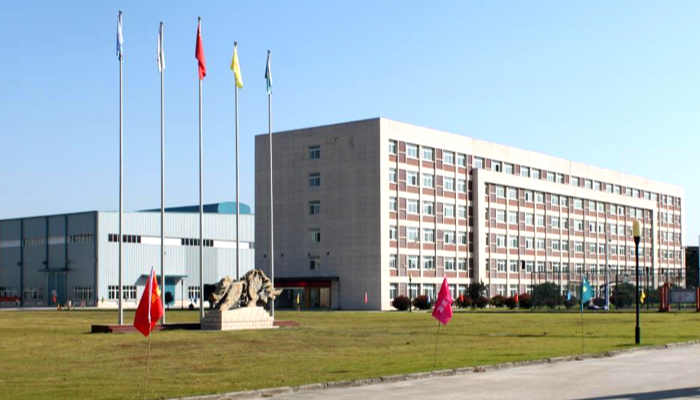



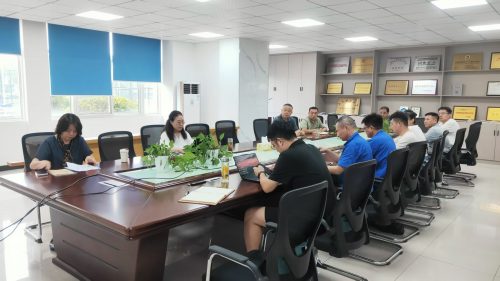
On the morning of September 4, 2026, Anhui YaoHai Steel Structure Construction Co., Ltd. convened a special quality review meeting at its headquarters to strengthen the foundation of product quality, refine its production quality management system, and accelerate the company’s transition from traditional contracting to an intelligent manufacturing-led development model.
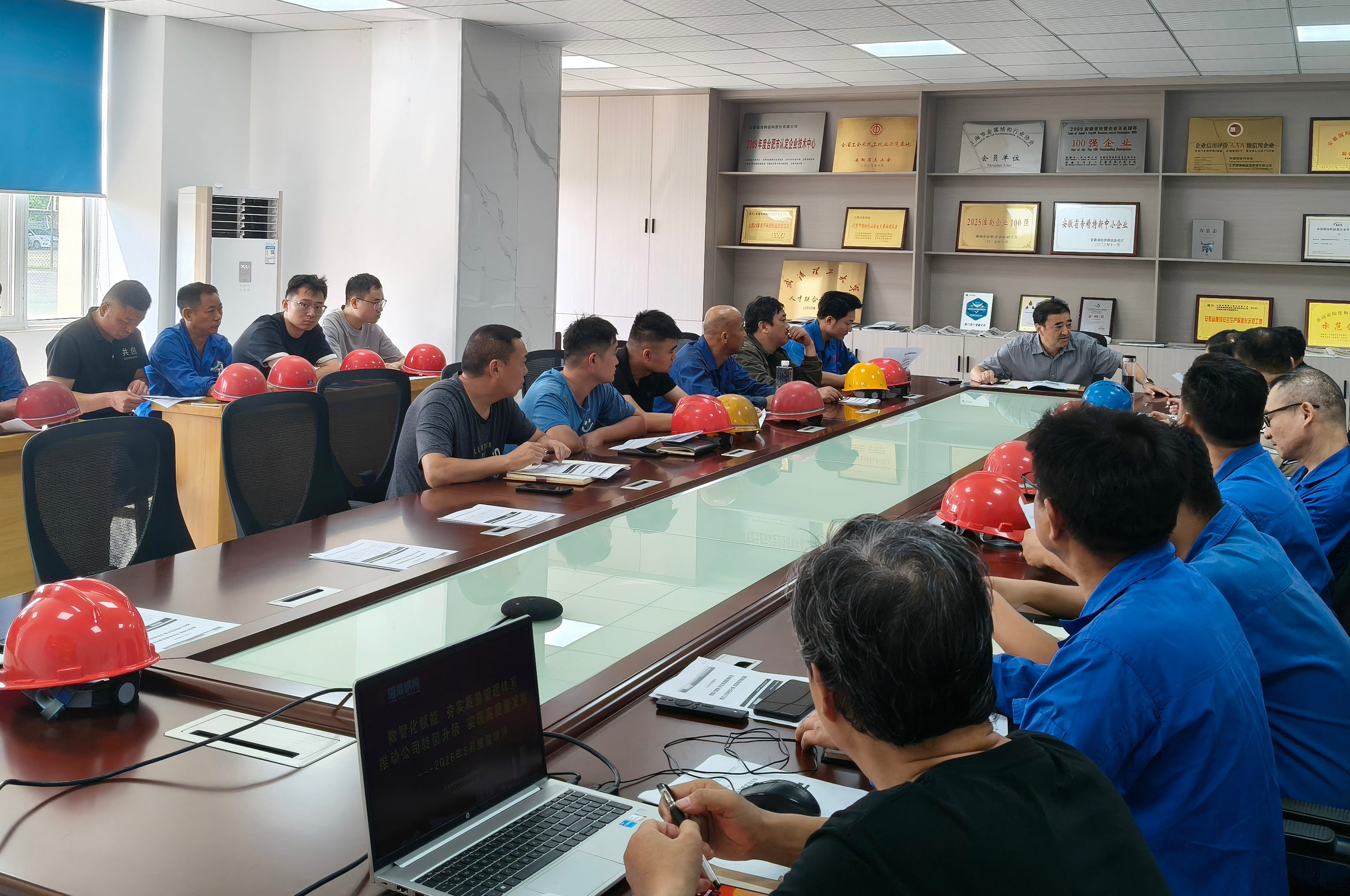
The meeting was chaired by Wu Youming, Vice President of Technology. Attendees included Chairman Ling Hongbing, Deputy General Manager Yang Zhiguo, heads of production, technical and functional departments, branch factory directors, frontline team leaders, and representatives of subcontracting partners. Together, they reviewed recent quality performance, examined existing issues, and set priorities for the next phase of quality improvement.
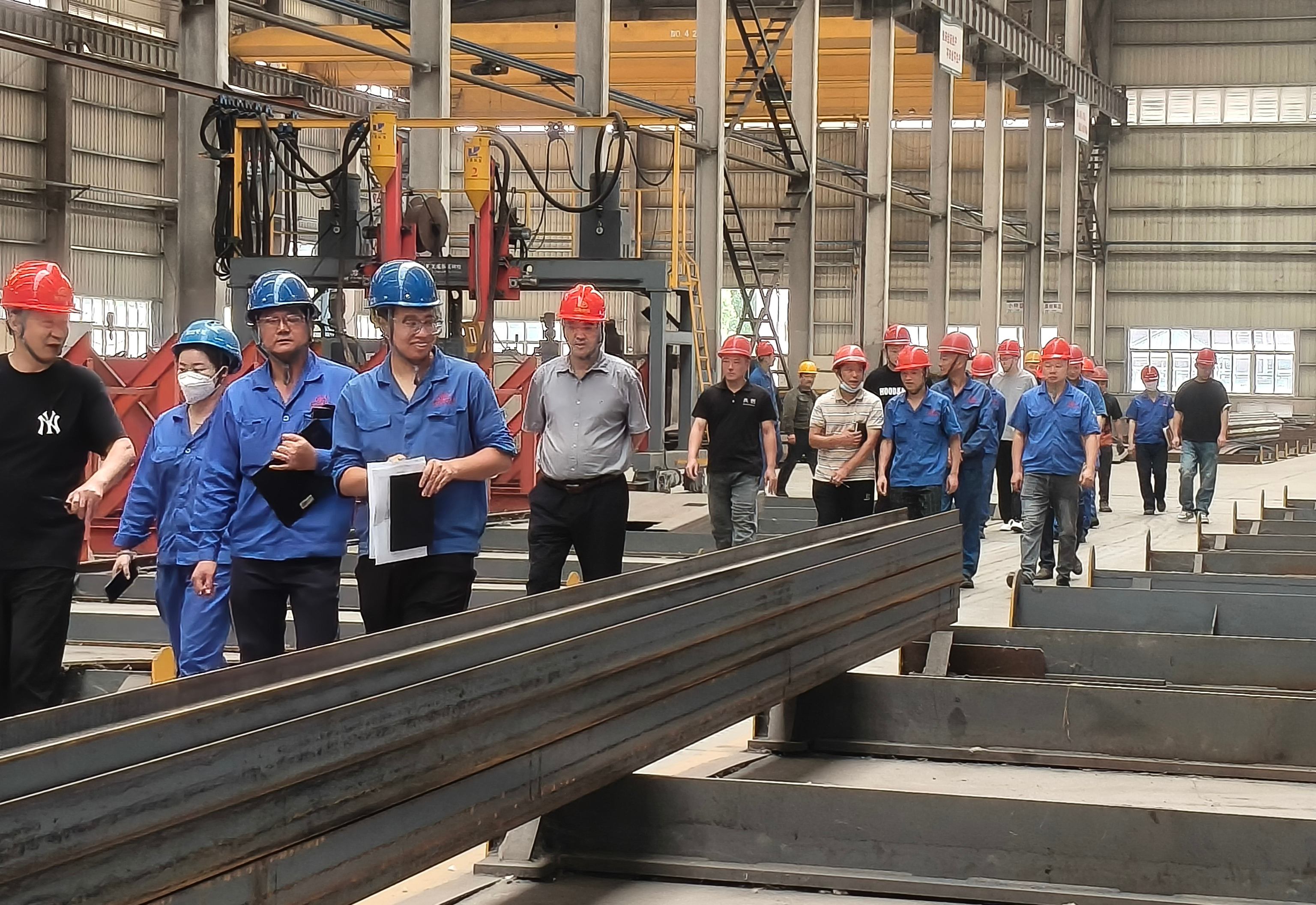
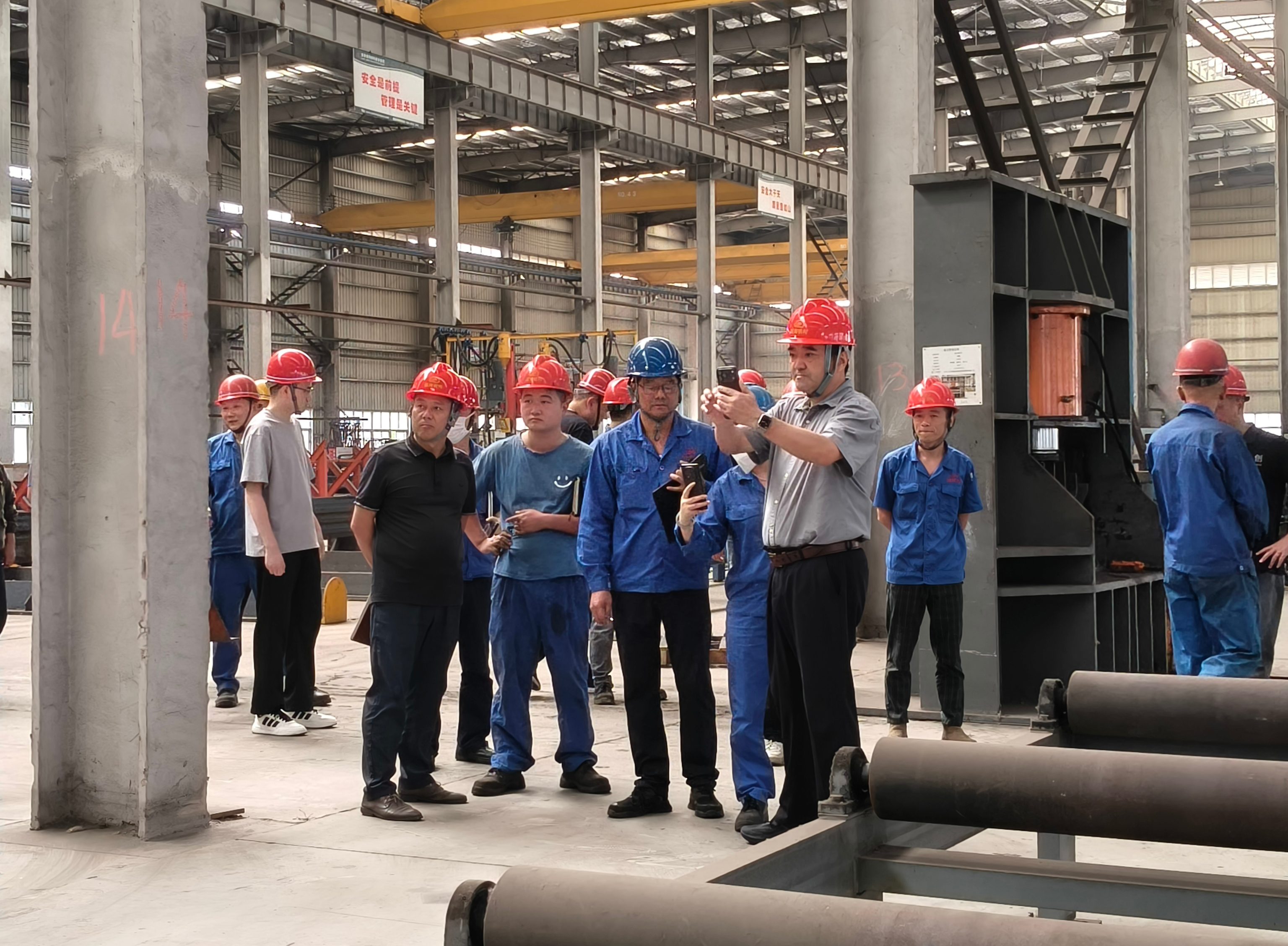
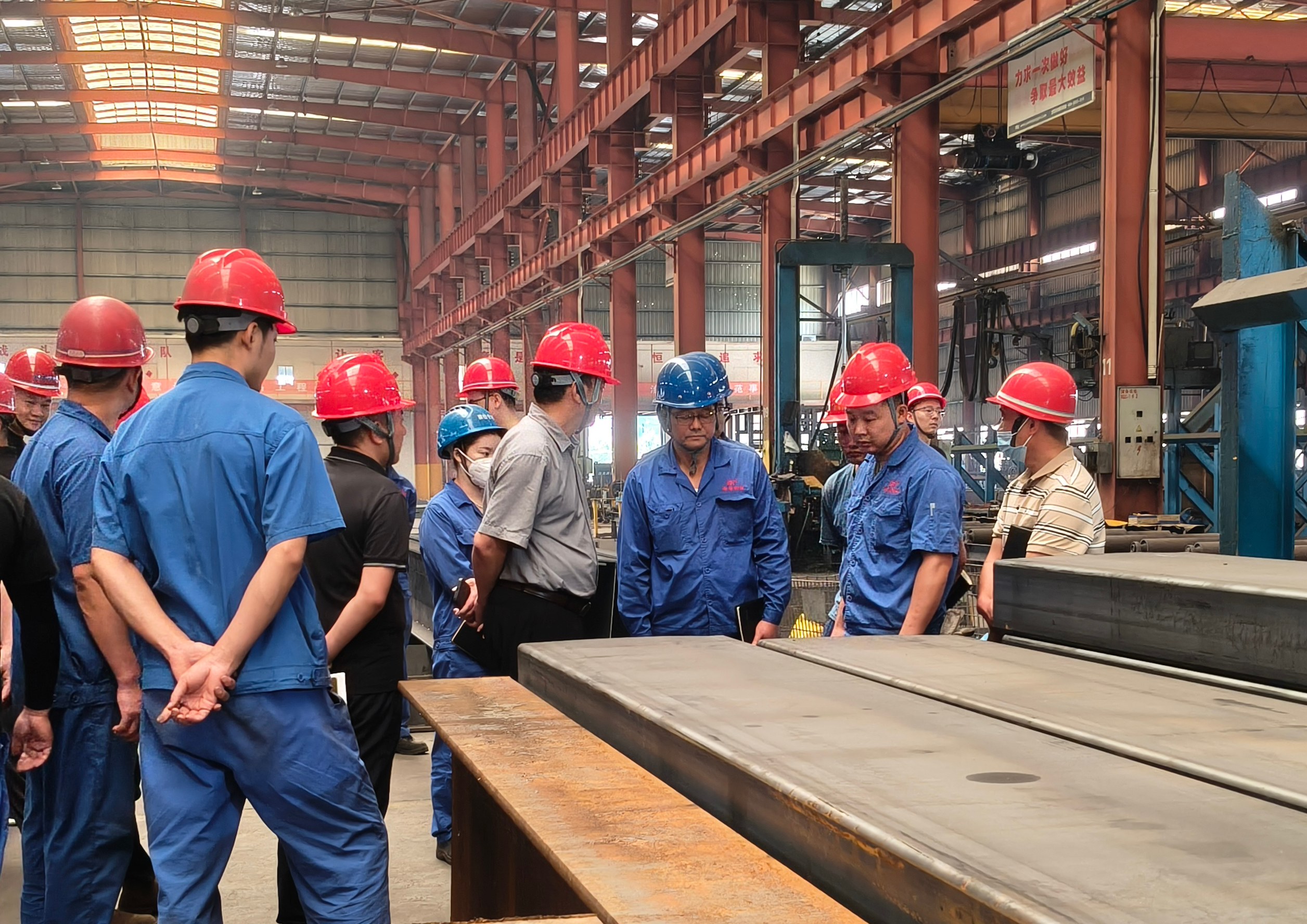
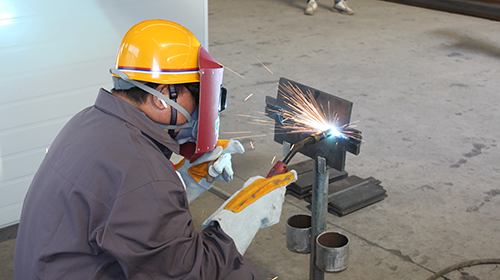
Before the formal discussion, all participants conducted an on-site inspection of the production workshops. The inspection provided a direct view of quality risks across key manufacturing processes and offered first-hand information for the subsequent review and corrective-action planning.
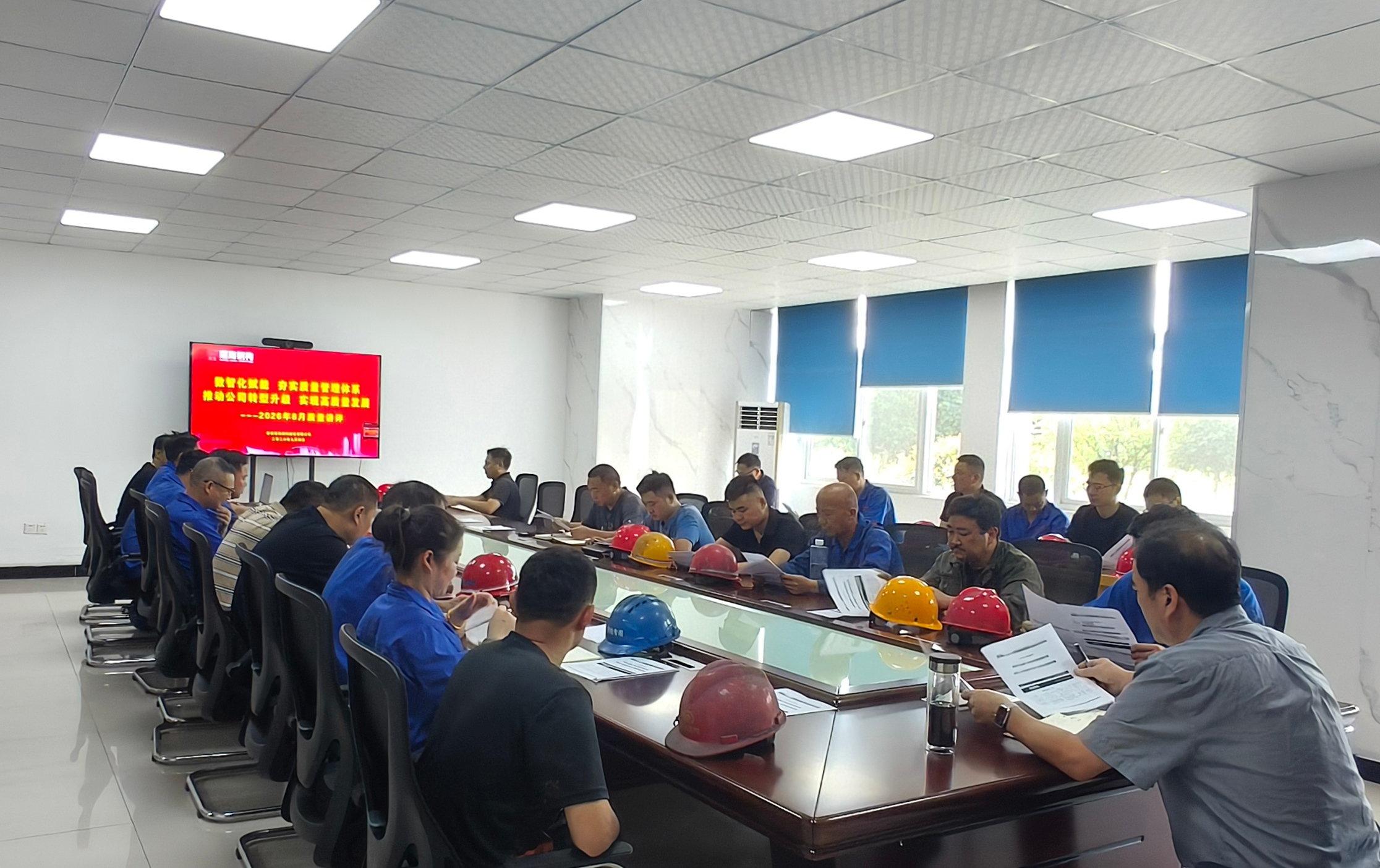
The company outlined four key areas of reform designed to raise its quality management capabilities:
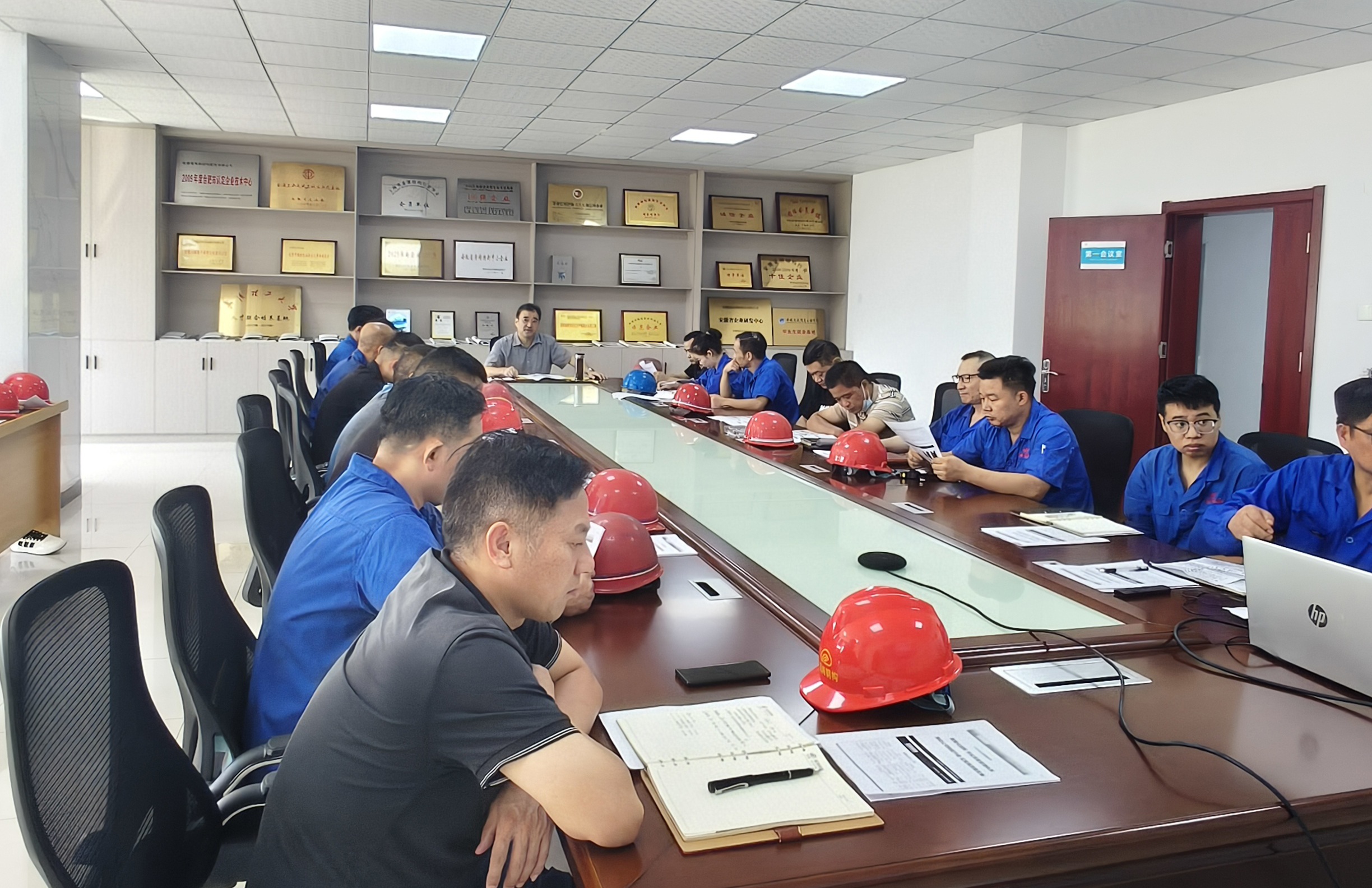
Drawing on representative project cases, Wu Youming emphasized the importance of long-term quality governance. Following the discovery of cracks in the main welds of a steel plate used in a roof-beam project, the company confronted the issue directly, implemented prompt corrective action, and applied the lessons across related operations to prevent recurrence.
In another project involving an industrial facility, ongoing process optimization and quality improvement led to strong performance in key indicators, including the straightness of extra-long circular tubular columns. The results received high recognition from the client and established the project as a benchmark for the company’s lean manufacturing practices.
“We must face our weaknesses, establish a routine mechanism for correcting quality issues, and translate every improvement requirement into concrete action,” Wu said.
Yu Hongxin, Head of the Quality Department, also provided an in-depth assessment of the factors affecting current product quality. He called for focused inspections and process improvements across core production stages, including the cutting of large and small components, submerged arc welding of structural sections, assembly and welding, shot blasting, and painting.
The company will further standardize self-inspection and cross-inspection procedures for uncoated steel components. False inspection records and superficial compliance will be strictly addressed, while routine performance assessments will reinforce accountability and support steady improvement in product quality.
In his concluding remarks, Chairman Ling Hongbing reaffirmed that manufacturing is central to the company’s transformation and upgrading.
“Quality is the lifeline of an enterprise. Without quality, there is no market. Quality cannot simply be inspected into a product after production; it must be built into every process,” Ling said.
He urged every employee to embrace personal responsibility for quality, eliminate complacency, and strictly follow production standards and process requirements. The principle that “no defect should leave the current process” must be upheld so that risks are identified and eliminated before products move to the next production stage.
Ling added that quality defects not only increase production costs and waste resources, but also damage brand reputation and weaken customer confidence. Maintaining uncompromising quality standards and applying lean manufacturing principles are therefore essential to building lasting competitiveness.
The improvement initiatives identified at the meeting will be incorporated into a formal Quality Improvement Action and Responsibility Plan. The plan will define responsibilities and completion deadlines for each department and position, with progress included in the company’s performance evaluation system. This structured approach is intended to ensure that corrective actions are implemented effectively and that the quality management system continues to improve.
The meeting aligned employees around shared quality goals and reinforced accountability across the organization. Going forward, YaoHai Steel will make quality control and corrective action part of its routine operations, deepen its commitment to lean manufacturing, and support sustainable, high-quality growth through dependable products and professional service.
Strengthening Quality Control, Advancing Lean Manufacturing | YaoHai Steel Holds Quality Review Meeting News 2026-09-11
Yaohai Steel Structure Fully Launches AISC (American Institute of Steel Construction) Certification Program News 2026-09-02
Strengthen Safety Management, Improve Quality & Efficiency, Ensure Smooth Progress and Delivery News 2026-03-23

 RFQ:sales@yh-ss.com
 Shanghai: Room 1611, Tower T3, CITIC Xintai Center, Daduhe Road,Putuo District, Shanghai, China
Hefei: Manufacturing Base: Intersection of Xingiao Avenue and Fengshou Avenue, Shouxian, Huainan City, China


This website uses cookies to provide you with a personalized browsing experience and to analyze website traffic. By clicking "Accept" or continuing to browse this website, you agree to our use of cookies.
 Globa


